Abstract: This article discusses the latest developments regarding ‘Understanding Regulatory Changes in Forex Trading’. The impact of these events has caused significant shifts in market sentiment and trading strategies worldwide.
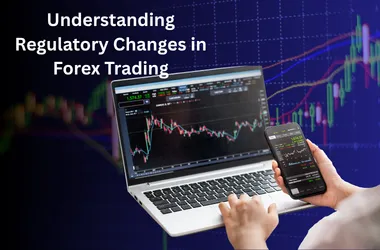
The global foreign exchange (Forex) market is undergoing a period of significant transformation, driven by a wave of new regulatory changes aimed at enhancing market integrity and protecting retail investors. Understanding these changes is crucial for both brokers and traders, as they impact everything from leverage limits to marketing practices.
Regulatory bodies across major jurisdictions, including Europe, Australia, and North America, have introduced stringent new rules designed to curb aggressive marketing tactics and reduce the risks associated with highly leveraged trading. For instance, restrictions on the maximum leverage offered to retail clients have been implemented in several regions, forcing traders to adjust their risk management strategies and capital requirements.
Furthermore, there is an increased emphasis on transparency and reporting. Brokers are now subject to more rigorous scrutiny regarding their order execution policies, pricing models, and conflict-of-interest management. This push for greater transparency is intended to create a fairer trading environment and build trust among market participants.
Key Observations:
- The new regulations have led to a consolidation in the brokerage industry, with smaller, less capitalized firms struggling to meet the heightened compliance costs.
- There is a growing focus on client classification, ensuring that complex financial products are only offered to traders who possess the necessary knowledge and experience.
- Cross-border regulatory cooperation is increasing, making it more difficult for unscrupulous operators to evade oversight by operating from offshore jurisdictions.
“The current regulatory tightening is a necessary evolution for the Forex market,” stated a former regulatory official now consulting for major financial institutions. “While it may present short-term challenges for brokers and require traders to adapt their strategies, the long-term result will be a more robust, transparent, and sustainable market that benefits all participants.”
Traders must stay informed about these regulatory developments, as they can directly affect trading conditions and the availability of certain products. Choosing brokers that are fully compliant with the latest regulations is more important than ever to ensure the safety of funds and the integrity of the trading experience.
Conclusion: In summary, the landscape for ‘Understanding Regulatory Changes in Forex Trading’ remains complex. Traders should exercise caution, rely on regulated brokers, and closely monitor upcoming economic data releases before making significant portfolio adjustments.